
World News
ABUS Screening Enhances Breast Cancer Detection in Low-Resource Areas

Nov
The Need for Accessible Screening Solutions
In many low-resource settings, standard breast cancer screening programs face obstacles due to limited equipment and trained radiologists. Automated Breast Ultrasound (ABUS) with remote image reading offers an alternative, helping communities access reliable screening that overcomes logistical barriers such as equipment and staffing shortages.
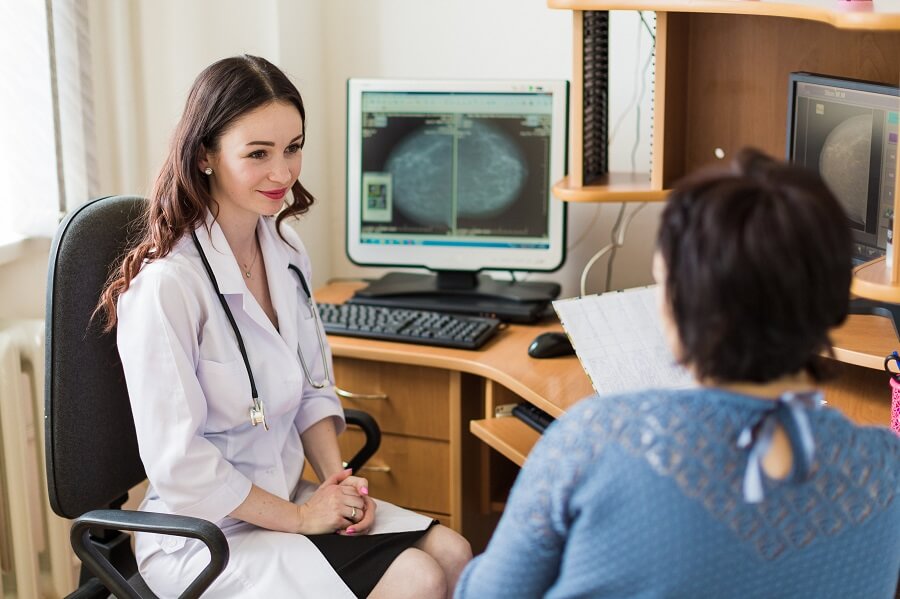
ABUS Technology and Its Implementation
ABUS involves 3D ultrasound imaging, creating comprehensive images of breast tissue that can be remotely analyzed by radiologists. In a recent Chinese study, ABUS screening was employed as the primary method for over 5,900 women across multiple health centers, with radiologists analyzing images at a central facility. This model efficiently addresses the accessibility gap in rural areas.
Study Findings: Diagnostic Efficacy
The study found that ABUS achieved a 92.3% sensitivity rate and 88.4% specificity, matching benchmarks for reliable cancer detection. ABUS also excelled in early detection, identifying mostly invasive cancers with a small median diameter of 10 mm. These findings underscore ABUS’s potential to serve as a standalone screening method, especially for communities without access to mammography.

Advantages of Teleradiology in ABUS Screening
Teleradiology, paired with ABUS, allows for central radiology review, reducing local demand for specialized radiologists and ensuring quality reporting. This setup enables community centers to offer screenings without requiring in-house radiology expertise, greatly expanding reach and ensuring consistent care delivery.
Future Implications for Global Health
ABUS with teleradiology holds promise for scaling breast cancer screening efforts in other low-resource regions globally. Continued investment and research into cost-effective, accessible technologies could revolutionize early detection, making a significant difference in patient outcomes worldwide while reinforcing healthcare equity.
From Ecomhao
