
World News
Empowering Breast Cancer Survivors: Evidence-Based Lifestyle Choices for Better Health

Jan
The Importance of Lifestyle Changes for Breast Cancer Survivors
Breast cancer survivors face unique challenges after completing treatment, including physical, emotional, and psychological hurdles. Studies have consistently shown that making informed lifestyle choices can significantly improve quality of life and reduce the risk of recurrence. Experts at Roswell Park Comprehensive Cancer Center have provided valuable insights into how clinicians can guide survivors in adopting healthy habits.
Lifestyle interventions tailored to individual needs can help mitigate long-term side effects of treatment, such as fatigue, weight changes, and weakened immunity. Additionally, survivors can benefit from improved mental health and a renewed sense of control over their well-being. Encouraging survivors to embrace these changes as part of their recovery journey is not just about surviving but thriving in their post-cancer lives.
The Role of Nutrition in Post-Treatment Recovery
A balanced diet is a cornerstone of healthy living, and its importance is magnified for breast cancer survivors. Nutrition plays a critical role in rebuilding strength, supporting immune function, and maintaining a healthy weight—factors that contribute to overall health and reduced recurrence risk. The evidence presented by Roswell Park highlights the benefits of plant-based diets rich in fruits, vegetables, whole grains, and lean proteins.
Reducing processed foods, added sugars, and unhealthy fats is essential. Survivors are also advised to limit alcohol consumption, as it has been linked to increased breast cancer risk. Incorporating anti-inflammatory foods, such as fatty fish, nuts, and olive oil, can further support healing. Clinicians play a vital role in helping survivors navigate dietary choices, providing resources like meal planning guides or referrals to nutritionists.
Exercise as a Powerful Tool for Survivorship
Regular physical activity is another critical element of post-treatment care, with strong evidence supporting its role in reducing recurrence risk and improving quality of life. Exercise helps combat fatigue, improve cardiovascular health, and maintain a healthy weight—issues that often arise after breast cancer treatment. Roswell Park experts emphasize that survivors do not need to engage in intense exercise to reap the benefits.
A combination of moderate aerobic activities, such as walking or swimming, and strength training exercises is recommended. Survivors should start slowly, especially if they are new to regular exercise, and gradually increase intensity as their strength returns. Clinicians can provide guidance by recommending exercise programs tailored to individual abilities and limitations, fostering a sense of achievement and motivation.
Managing Stress and Enhancing Emotional Well-Being
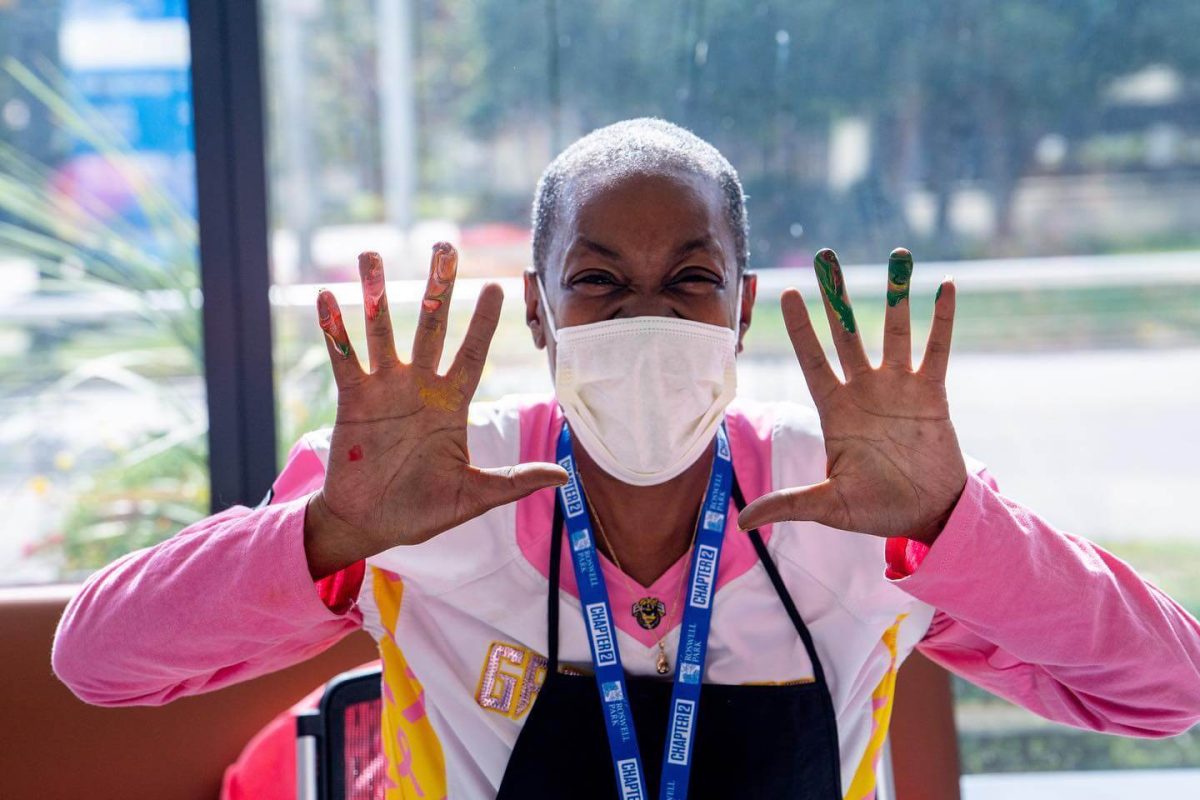
The psychological toll of breast cancer treatment cannot be overstated, and addressing emotional health is as crucial as physical recovery. Survivors often experience anxiety, depression, or a fear of recurrence, all of which can impact overall well-being. Roswell Park experts advocate for stress management strategies that can improve mental health and resilience.
Mindfulness practices such as meditation, yoga, and deep breathing exercises are effective in reducing stress. Support groups and counseling services provide survivors with a platform to share experiences and build a community of understanding. Clinicians can facilitate access to these resources, ensuring that survivors receive the emotional support needed to navigate life after cancer.
Clinician’s Role in Promoting Long-Term Health
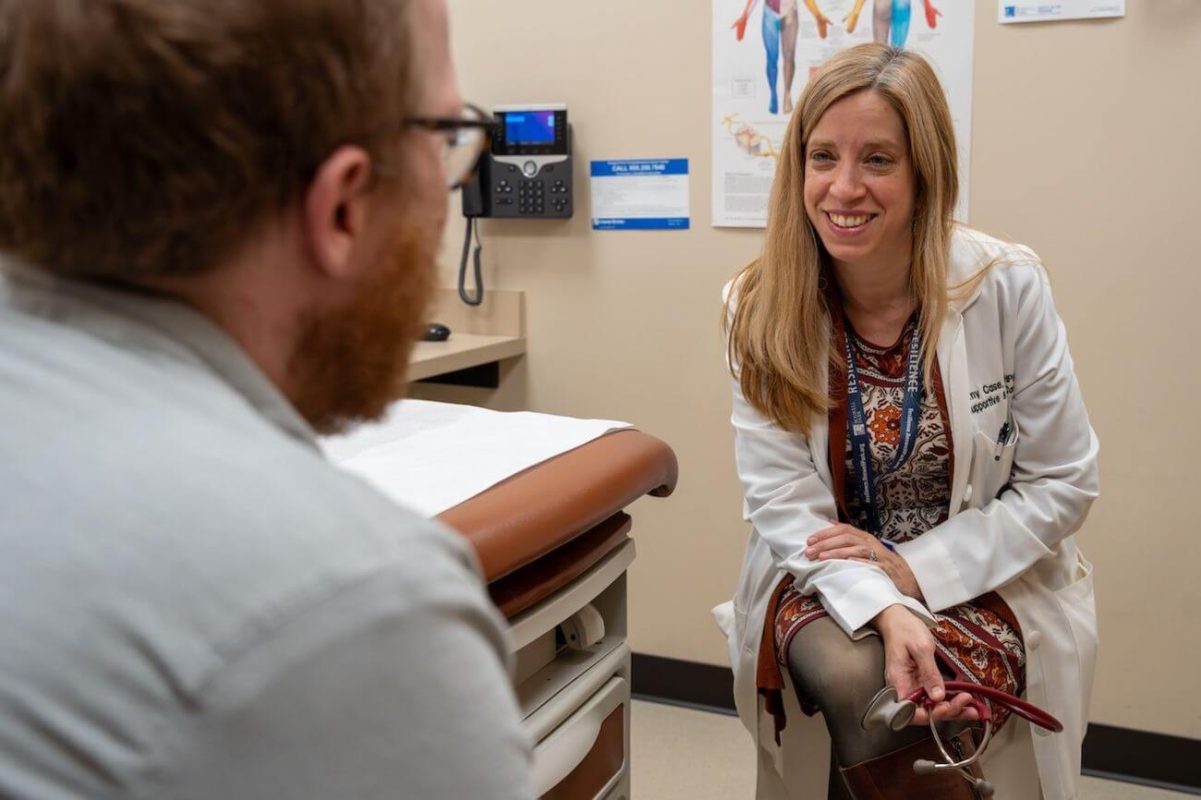
Clinicians are pivotal in empowering breast cancer survivors to adopt these lifestyle changes. Regular follow-ups offer opportunities to assess progress, address challenges, and adjust recommendations. Providing evidence-based advice on nutrition, exercise, and stress management ensures survivors are equipped with practical tools for maintaining their health.
By fostering open communication and a collaborative approach, clinicians can build trust and motivate survivors to take charge of their recovery journey. The insights shared by Roswell Park experts underscore the importance of personalized care, emphasizing that even small, incremental changes can have profound impacts on survivors’ long-term health and happiness.
Conclusion: A Path Toward Thriving
The journey of a breast cancer survivor extends beyond treatment. With the right lifestyle choices and support, survivors can rebuild their lives with strength, confidence, and resilience. By focusing on nutrition, exercise, emotional well-being, and personalized care, clinicians and survivors together can pave the way toward not just surviving but truly thriving in the years ahead.
From Ecomhao
