
World News
Exercise as a Lifesaver: Enhancing Survival Rates for Women with Breast Cancer
Jan
Introduction: The Power of Physical Activity in Cancer Survival
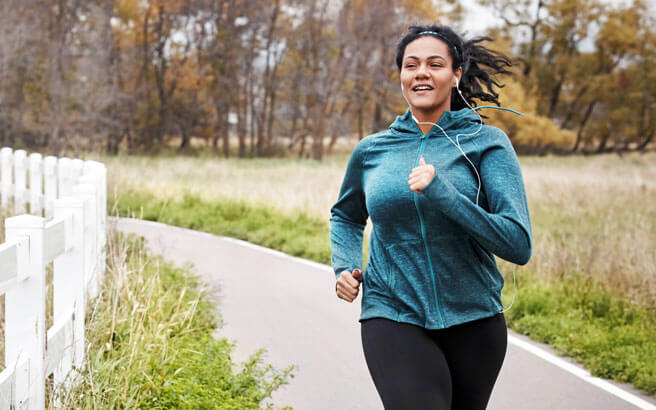
Breast cancer, one of the most common cancers affecting women globally, is not just a health challenge but a life-altering journey for millions. Alongside medical treatments like chemotherapy, radiation, and surgery, lifestyle modifications are emerging as essential components of comprehensive care. One such powerful intervention is exercise. Research published in The Journal of the National Cancer Institute reveals that regular physical activity before and after a breast cancer diagnosis significantly improves survival rates and reduces recurrence risks. This article delves into the compelling evidence supporting exercise as a cornerstone in managing breast cancer, exploring its benefits and ways to incorporate it into a survivor’s life.
The Evidence: How Exercise Enhances Survival Rates
The connection between exercise and improved breast cancer survival has been firmly established through recent studies. Women who met the Physical Activity Guidelines for Americans—150 minutes of moderate-intensity exercise weekly—before and after treatment experienced the most significant survival benefits. These benefits extended to those who exercised less than the recommended amount, underscoring that even moderate activity can make a difference.
Exercise improves survival by influencing several physiological processes. It enhances immune function, reduces systemic inflammation, and promotes hormonal regulation—all of which are critical in slowing cancer progression. Furthermore, physical activity improves cardiovascular health, mitigating risks associated with cancer treatments that often strain the heart. These findings emphasize that incorporating movement into daily life is not just beneficial but potentially life-saving for breast cancer patients and survivors.
Beyond Survival: Quality of Life and Emotional Resilience
Physical activity offers more than just physical benefits; it significantly enhances emotional and mental well-being during and after breast cancer treatment. Fatigue, anxiety, and depression are common side effects of cancer and its therapies, often leaving patients feeling overwhelmed. Regular exercise combats these challenges by releasing endorphins, the body’s natural mood lifters.
Moreover, exercise fosters a sense of control and empowerment, which is crucial in the fight against a disease that can often feel overwhelming. Structured activities like yoga, swimming, or brisk walking not only improve mood but also provide survivors with a sense of routine and normalcy. Social forms of exercise, such as group classes or walking clubs, can reduce feelings of isolation by fostering a supportive community.
Practical Strategies: Incorporating Exercise into Life After Diagnosis
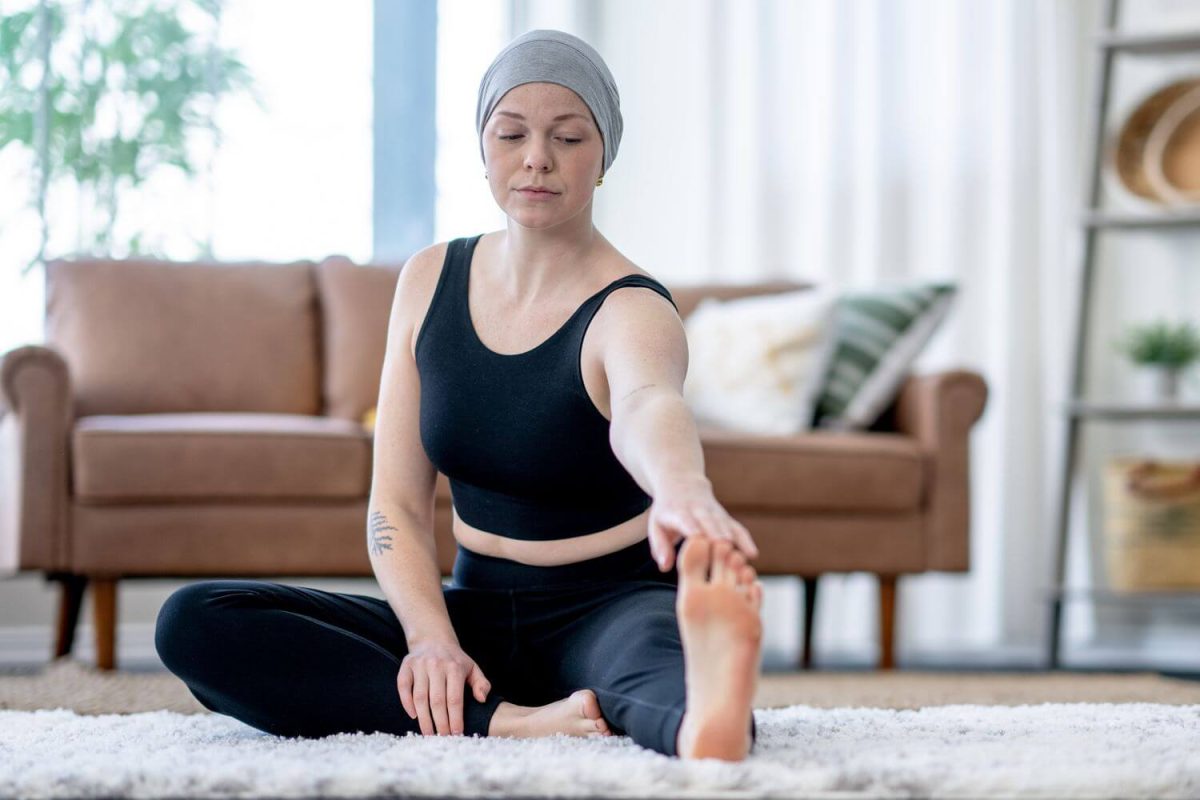
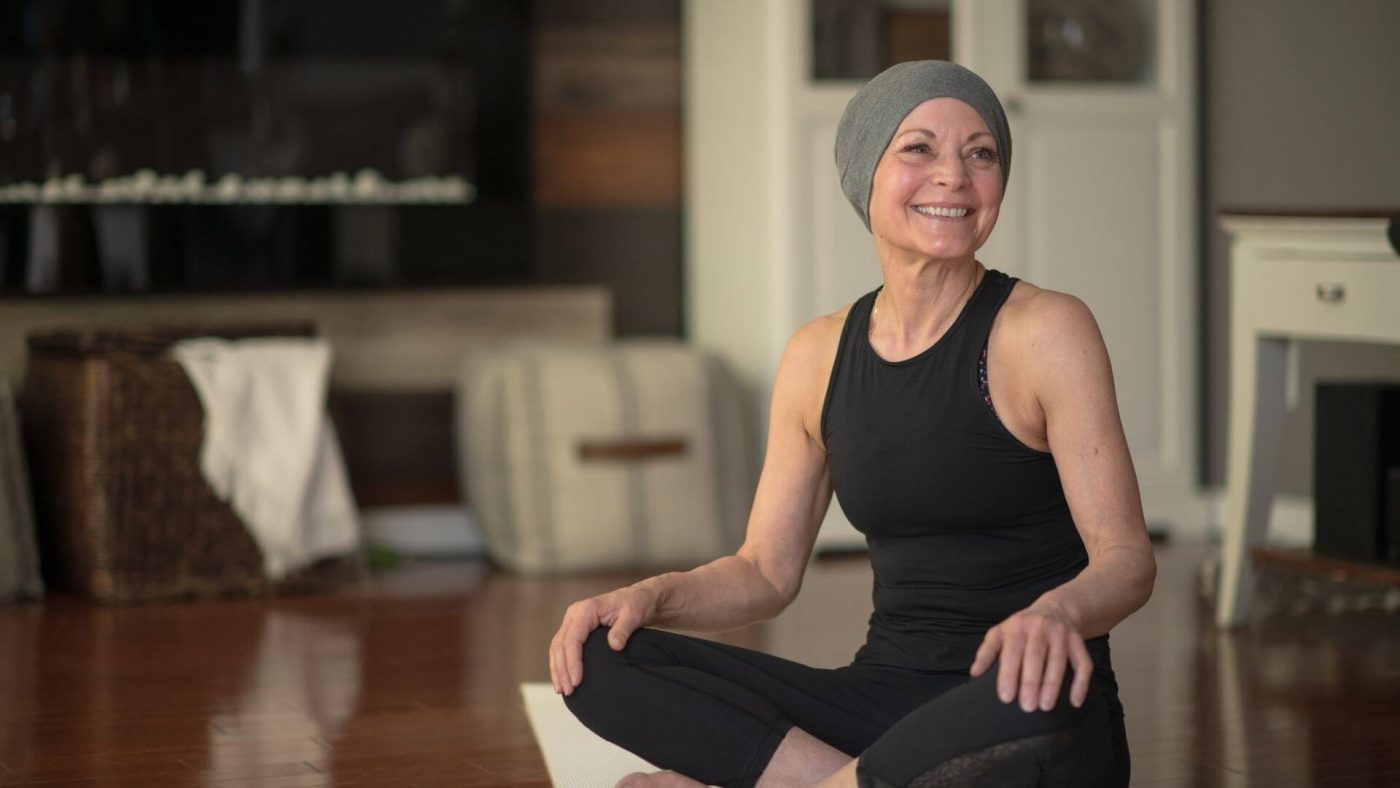
Integrating physical activity into daily life can seem daunting, especially for individuals undergoing rigorous cancer treatments. However, starting with small, manageable steps is the key. Low-impact activities such as yoga, tai chi, or even light stretching are excellent starting points for those experiencing fatigue or limited mobility. Gradually building up to moderate-intensity exercises, like brisk walking or cycling, can be done as strength and energy improve.
Healthcare providers recommend tailoring exercise routines to individual abilities and needs. Collaborating with fitness professionals trained in oncology rehabilitation can ensure safety and effectiveness. Additionally, structured programs, such as those offered by cancer support organizations, provide guidance and motivation for patients and survivors alike. The emphasis should be on consistency over intensity, ensuring exercise becomes a sustainable and enjoyable habit.
Breaking Barriers: Overcoming Challenges to Staying Active
Despite the clear benefits, maintaining an active lifestyle during and after breast cancer treatment can be challenging. Factors like treatment-related fatigue, physical discomfort, and lack of motivation often stand in the way. However, addressing these barriers with practical solutions can make a significant difference.
For example, setting realistic goals, such as a 10-minute walk around the block, can help establish a routine without overwhelming the individual. Support from family and friends, or participation in group activities, can provide encouragement and accountability. Technology, like fitness apps or wearable trackers, can also be a powerful tool for monitoring progress and staying motivated. Most importantly, adopting a mindset that values progress over perfection allows survivors to focus on their achievements rather than perceived shortcomings.
Conclusion: A Vital Component of Comprehensive Cancer Care
The role of exercise in enhancing survival rates and quality of life for breast cancer patients is unequivocal. It not only strengthens the body but also bolsters emotional resilience, offering a holistic approach to cancer management. For women navigating the complexities of breast cancer, adopting an active lifestyle is a powerful way to take control of their health journey.
Healthcare providers, survivors, and communities must work together to prioritize exercise as an integral part of breast cancer care. With tailored approaches and unwavering support, exercise can empower women to overcome the challenges of cancer and embrace a future filled with vitality and hope.
From Ecomhao
