
World News
The Mediterranean Diet: A Natural Shield Against Breast Cancer
Dec
Breast Cancer Prevention: The Power of Diet
Breast cancer, one of the most prevalent cancers affecting women worldwide, remains a major health concern. While advancements in medical research continue to improve diagnosis and treatment, preventive strategies are equally critical. Diet, as a modifiable risk factor, has garnered significant attention in cancer prevention studies. Among the various dietary approaches, the Mediterranean diet has emerged as a powerful ally in reducing breast cancer risk. A groundbreaking study conducted in Spain has shown that this diet, enriched with extra virgin olive oil, can lower the risk of breast cancer by a staggering 68%. This research sheds light on how the nutrient-rich Mediterranean diet can serve as a protective measure against this life-threatening disease.
The Science Behind the Mediterranean Diet
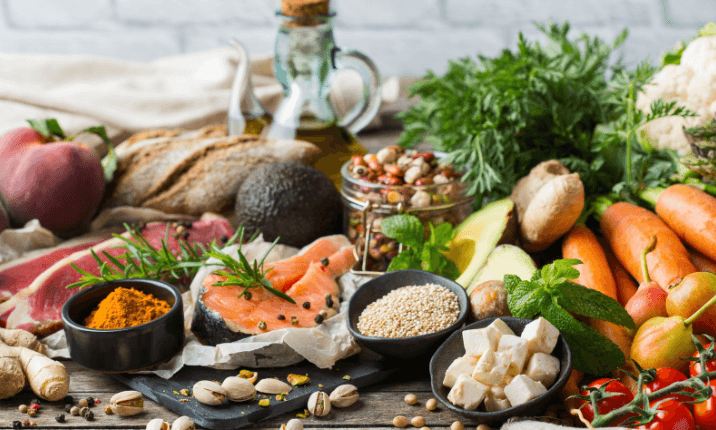
The Mediterranean diet is a nutritional model inspired by traditional eating habits in countries bordering the Mediterranean Sea. It emphasizes the consumption of fresh fruits, vegetables, whole grains, legumes, nuts, and olive oil, while limiting red meat and processed foods. The inclusion of fish, a source of omega-3 fatty acids, and moderate amounts of red wine are also characteristic of this diet. Olive oil, particularly extra virgin olive oil, is a cornerstone of the Mediterranean diet. Rich in monounsaturated fats and antioxidants, it plays a pivotal role in reducing inflammation and oxidative stress, both of which are linked to cancer development. Researchers attribute the significant reduction in breast cancer risk observed in the study to these health-promoting properties of olive oil.
The Spanish Study: A Closer Look
Between 2003 and 2009, a comprehensive study in Spain involving 4,282 post-menopausal women aged 60 to 80 explored the effects of the Mediterranean diet on breast cancer risk. The participants were divided into three groups: one followed a Mediterranean diet supplemented with extra virgin olive oil, another followed a Mediterranean diet supplemented with nuts, and the third adhered to a low-fat diet. Over the study period, women in the olive oil group experienced a 68% reduction in the risk of malignant breast cancer compared to the low-fat diet group. These findings underscore the importance of dietary fat quality rather than quantity, highlighting the protective role of monounsaturated fats found in olive oil.
The Protective Mechanisms of Olive Oil
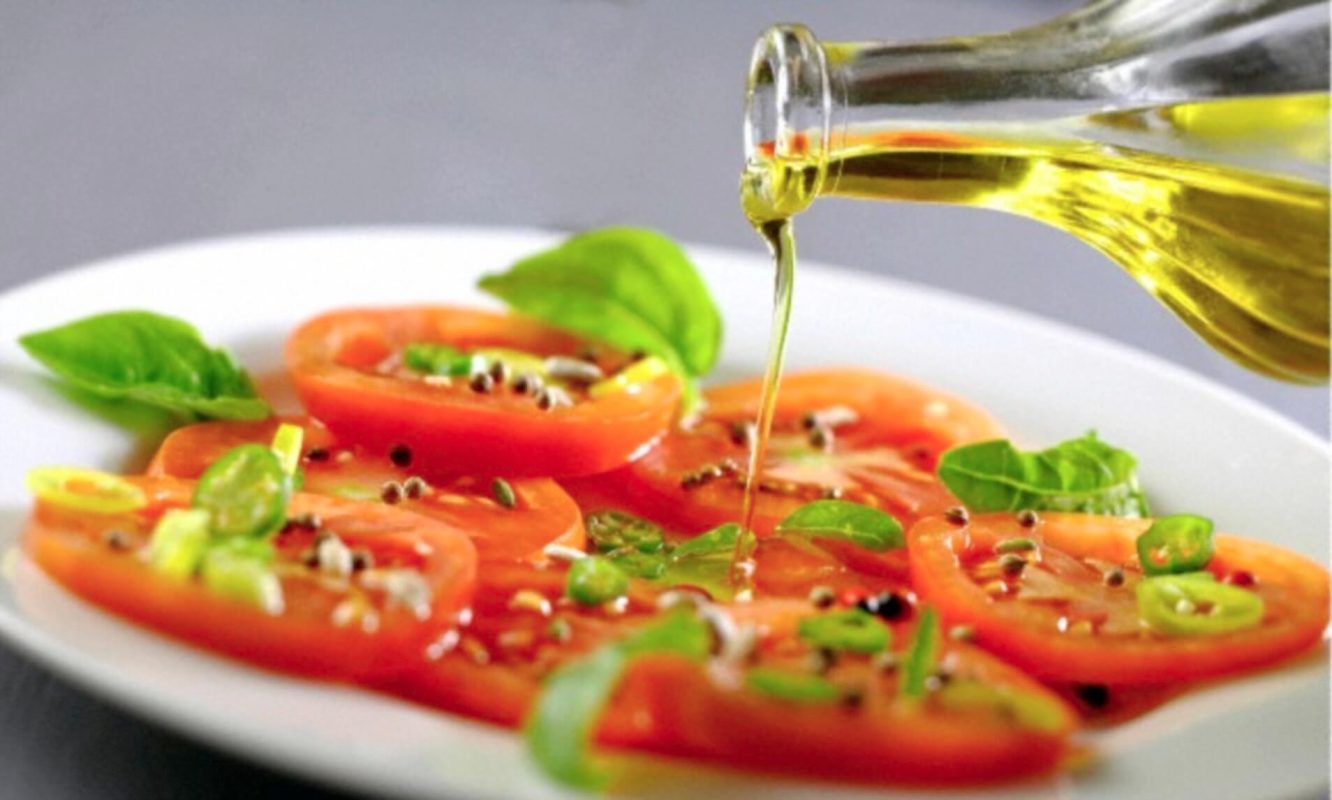
Extra virgin olive oil is a nutritional powerhouse, rich in bioactive compounds that contribute to its health benefits. Polyphenols, a group of antioxidants found in olive oil, are known for their ability to neutralize free radicals, preventing cellular damage that can lead to cancer. Furthermore, oleic acid, the primary monounsaturated fat in olive oil, has been shown to inhibit the expression of oncogenes, genes that promote cancer development. The anti-inflammatory properties of olive oil also play a crucial role in mitigating the chronic inflammation that often precedes cancer. By incorporating extra virgin olive oil into their diets, individuals can benefit from these protective effects, reducing their overall risk of breast cancer and improving their general health.
Embracing the Mediterranean Lifestyle
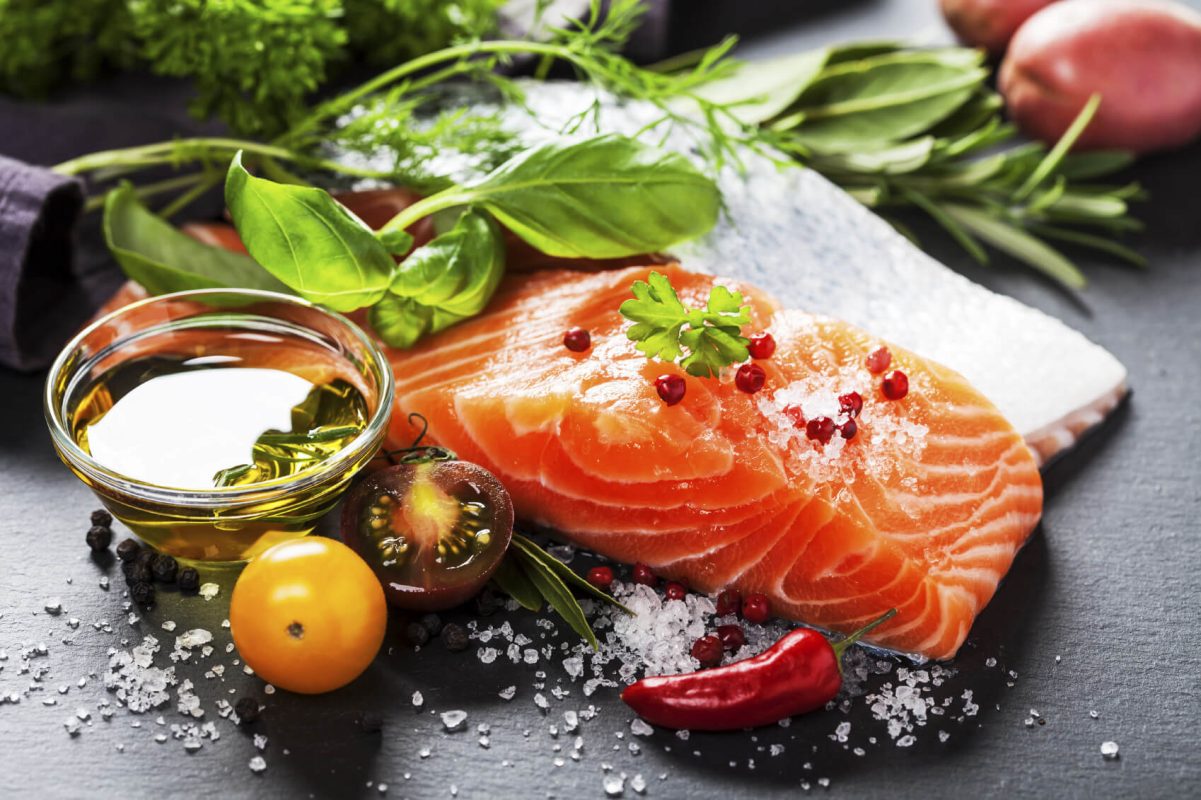
Adopting the Mediterranean diet extends beyond food choices; it embodies a holistic lifestyle that promotes physical, mental, and emotional well-being. Regular physical activity, social eating habits, and mindful consumption of meals are integral aspects of this lifestyle. To incorporate the Mediterranean diet into daily life, individuals can start by replacing butter with olive oil, increasing their intake of fruits and vegetables, and choosing whole grains over refined products. Adding fatty fish such as salmon or mackerel to meals and incorporating nuts as snacks further enhances the diet’s nutritional value. As the Spanish study demonstrates, these small but significant changes can have profound effects on health, particularly in reducing the risk of breast cancer and other chronic diseases.
Conclusion
The Mediterranean diet, enriched with extra virgin olive oil, offers a powerful, evidence-based strategy for reducing breast cancer risk. The Spanish study provides compelling evidence of its protective effects, emphasizing the importance of dietary quality and nutrient-rich foods. By embracing the principles of the Mediterranean diet, individuals can not only lower their cancer risk but also enhance their overall well-being. As further research continues to explore the profound impact of diet on health, the Mediterranean diet stands out as a beacon of hope for preventive healthcare.
From Ecomhao
