
World News
A Diet for Breast Cancer Prevention: The Role of Coffee, Fruits, and Vegetables in Reducing Risk
Dec
The Breast Cancer Risk: A Global Health Concern
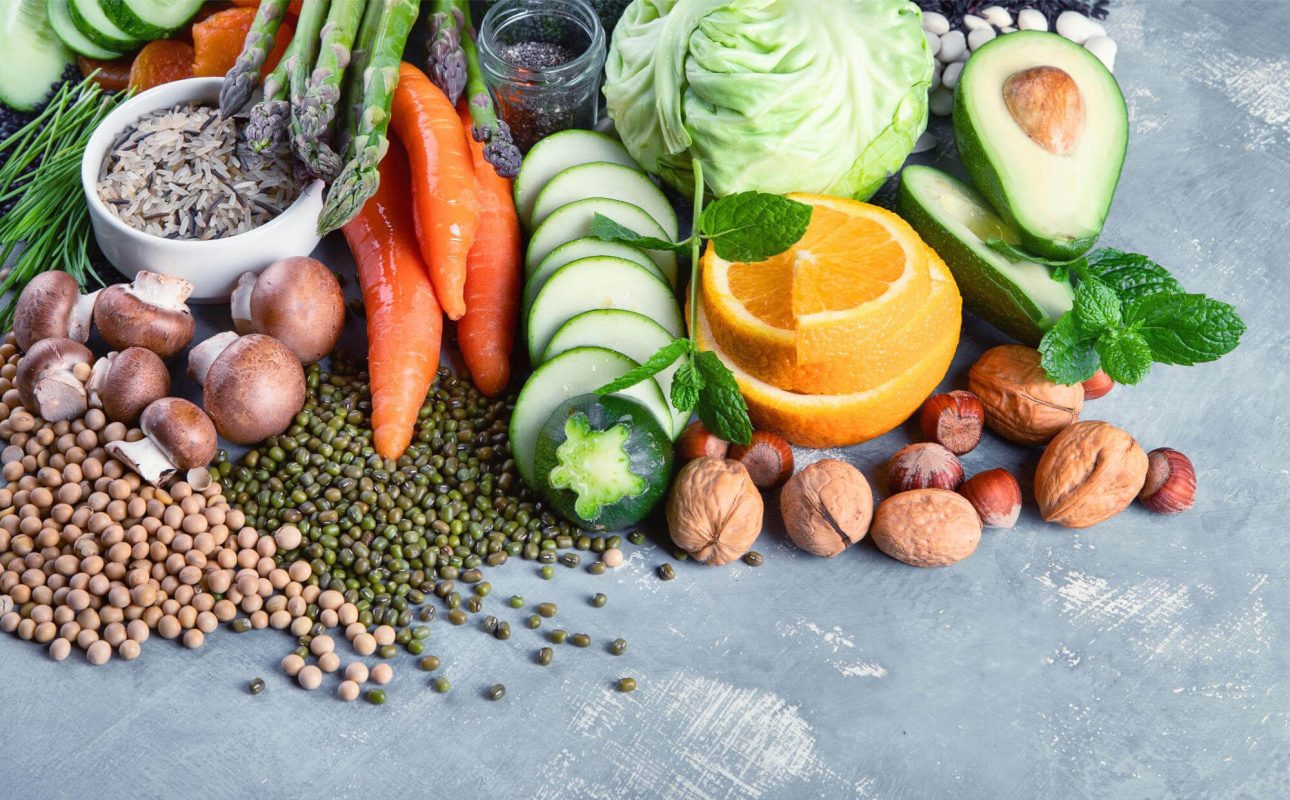
Breast cancer remains one of the most prevalent and challenging health issues globally, particularly among women. Post-menopausal breast cancer accounts for a significant proportion of cases, underscoring the need for preventive strategies. While genetic predisposition and environmental factors contribute to cancer risk, diet and lifestyle choices play an equally pivotal role. According to recent research, diets rich in specific plant-based foods, including coffee, fruits, vegetables, and whole grains, have emerged as potent allies in reducing breast cancer risk. These foods are abundant in phenolic acids, naturally occurring compounds that exhibit antioxidant, anti-inflammatory, and anti-cancer properties. Understanding these relationships between diet and disease offers hope and guidance for those seeking to adopt healthier lifestyles to mitigate their risk.
Phenolic Acids: The Nutritional Powerhouses
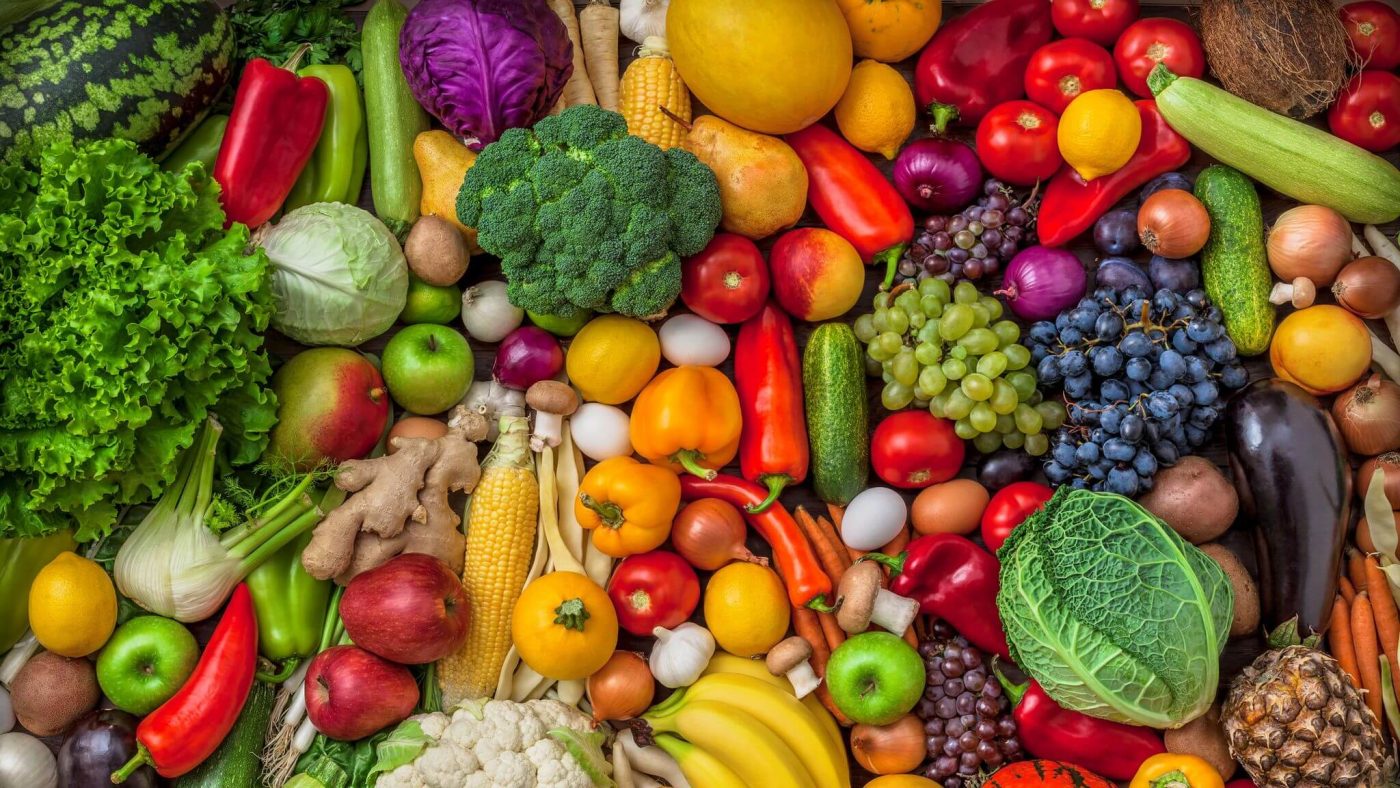
Phenolic acids, particularly hydroxycinnamic acids, have garnered attention for their protective effects against cancer. These compounds are abundant in plant-based foods, acting as powerful antioxidants that neutralize free radicals, which can damage cells and contribute to cancer formation. Among these, chlorogenic acid, a specific type of hydroxycinnamic acid found in coffee, fruits, and vegetables, has been shown to exhibit the most substantial protective effects. A groundbreaking study observed 11,028 women over 12 years and discovered that those with the highest intake of phenolic acid-rich foods experienced a 65% reduced risk of developing breast cancer compared to those with lower consumption levels. These findings emphasize the importance of incorporating diverse, nutrient-rich foods into one’s diet as a proactive approach to cancer prevention.
Coffee: A Surprising Ally in Breast Cancer Prevention
Coffee, a staple in daily routines worldwide, is often celebrated for its energy-boosting properties. However, its role in breast cancer prevention is equally compelling. Rich in chlorogenic acid, coffee has demonstrated remarkable efficacy in reducing inflammation and oxidative stress, both of which are critical in cancer development. The polyphenols in coffee also modulate estrogen metabolism, a hormone linked to breast cancer, particularly in post-menopausal women. The study highlighted that women with regular coffee consumption as part of their diet experienced a significantly lower risk of breast cancer. These findings challenge traditional perceptions of coffee as merely a stimulant, showcasing its potential as a functional food with protective health benefits.
Fruits and Vegetables: Nutrient-Dense Protectors
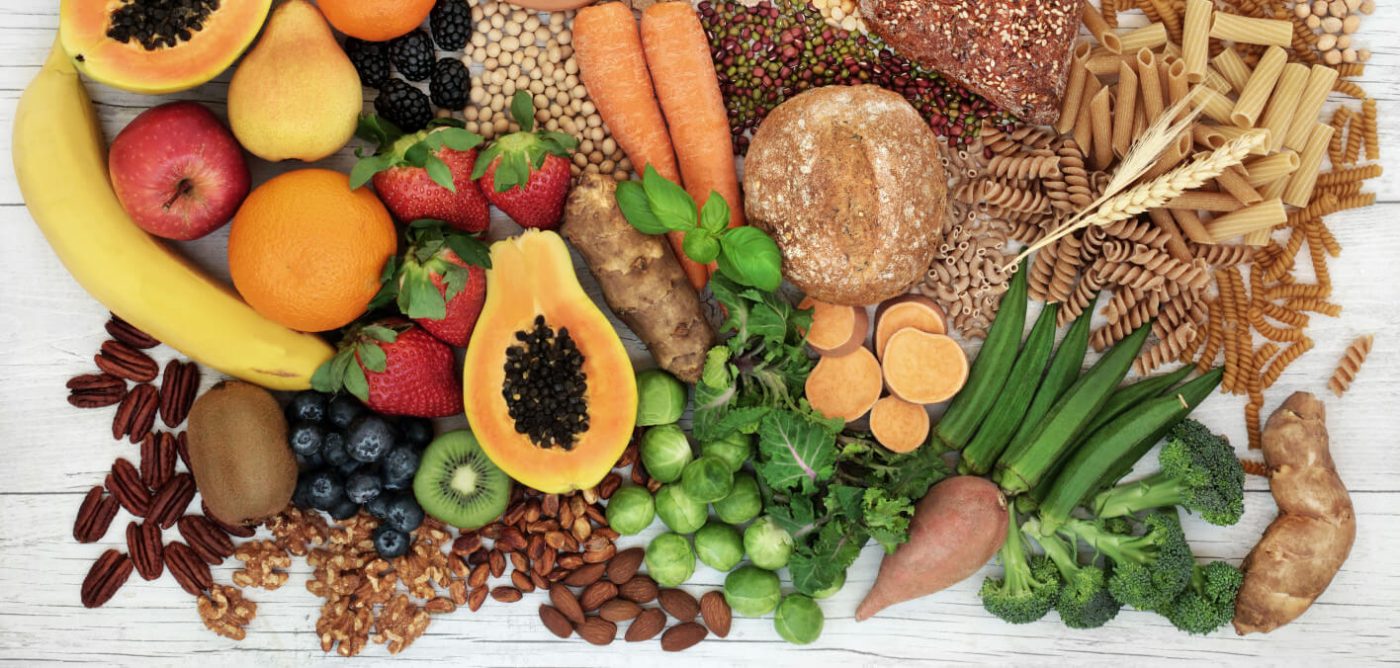
Fruits and vegetables have long been championed for their health benefits, and their role in cancer prevention is no exception. Packed with vitamins, minerals, fiber, and phenolic acids, they contribute to a well-rounded and protective diet. Specific fruits like berries, apples, and citrus fruits, along with vegetables such as spinach, broccoli, and carrots, are particularly rich in chlorogenic acid and other bioactive compounds. These foods enhance immune function, reduce chronic inflammation, and prevent DNA damage, all of which are key in reducing cancer risk. Moreover, their high fiber content supports a healthy gut microbiome, further enhancing their protective effects. Incorporating at least five servings of fruits and vegetables daily can serve as a practical and effective strategy for reducing breast cancer risk.
Embracing a Plant-Based Diet for Long-Term Health
The findings from this study underscore the transformative power of dietary choices in disease prevention. A plant-based diet that prioritizes foods rich in phenolic acids, such as coffee, fruits, vegetables, and whole grains, offers a multifaceted approach to health. This dietary pattern not only reduces the risk of breast cancer but also contributes to overall well-being, including better weight management, improved cardiovascular health, and enhanced mental clarity. Making incremental changes, such as replacing processed snacks with fresh fruit or starting the day with a cup of antioxidant-rich coffee, can have lasting benefits. Education and awareness are critical in encouraging individuals to adopt these dietary habits, ultimately fostering a culture of prevention rather than treatment.
Conclusion
The study provides compelling evidence of the role of diet in reducing breast cancer risk, particularly highlighting the benefits of coffee, fruits, and vegetables. As our understanding of the relationship between nutrition and cancer evolves, it is clear that small, consistent dietary changes can have profound effects on long-term health. Adopting a diet rich in phenolic acids is not just a preventive measure but a holistic lifestyle choice that promotes resilience against numerous health challenges.
From Ecomhao
