
World News
Does Eating Soy Increase Estrogen and Cause Breast Cancer? Understanding the Facts
Dec
The Science Behind Soy and Isoflavones
Soy is a rich source of isoflavones, a type of phytoestrogen, or plant-based compound that mimics estrogen in the human body. Isoflavones have a molecular structure similar to estrogen, which allows them to bind to estrogen receptors. However, the way these compounds interact with the body is complex and differs significantly from how human estrogen functions.
Unlike human estrogen, which is more potent, isoflavones exhibit both estrogen-like and anti-estrogenic effects. This dual action allows them to block natural estrogen in some cases, potentially reducing harmful estrogenic activity. This mechanism is particularly significant in the context of breast cancer, as estrogen can fuel the growth of certain types of breast cancer cells.
Research Findings on Soy and Breast Cancer Risk
Scientific studies have extensively explored the relationship between soy consumption and breast cancer risk. The evidence overwhelmingly shows that consuming soy does not increase breast cancer risk and may even offer protective benefits.
For instance, large-scale epidemiological studies reveal that populations in Asian countries, where soy is a dietary staple, have lower rates of breast cancer compared to Western populations. These findings suggest a potential protective role of soy, particularly when consumed regularly from an early age.
Furthermore, clinical trials have demonstrated that moderate soy consumption does not increase estrogen levels in the blood or promote the growth of breast cancer cells. For women with a history of breast cancer or those undergoing treatment, soy appears safe and may even contribute to improved health outcomes.
Distinguishing Between Whole Soy Foods and Processed Soy Products
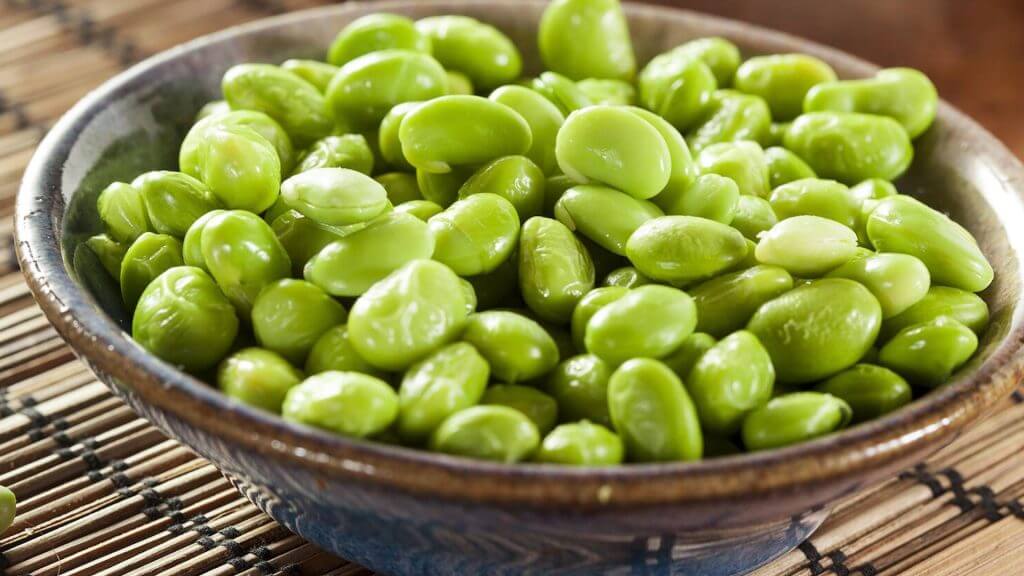
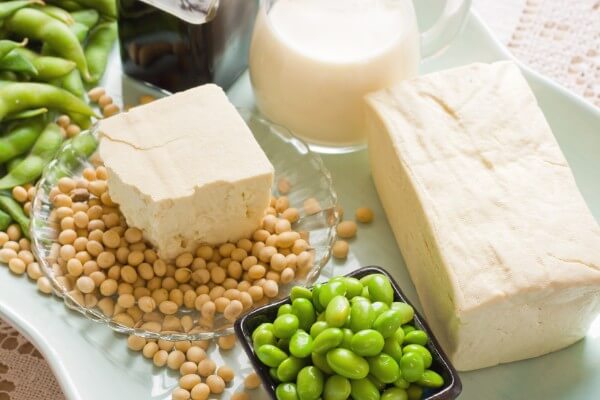
It is essential to differentiate between whole soy foods and highly processed soy products. Whole soy foods, such as tofu, edamame, tempeh, miso, and soy milk, are minimally processed and retain the nutritional benefits of soybeans. These foods are associated with positive health effects, including reduced cancer risk, improved heart health, and better bone density.
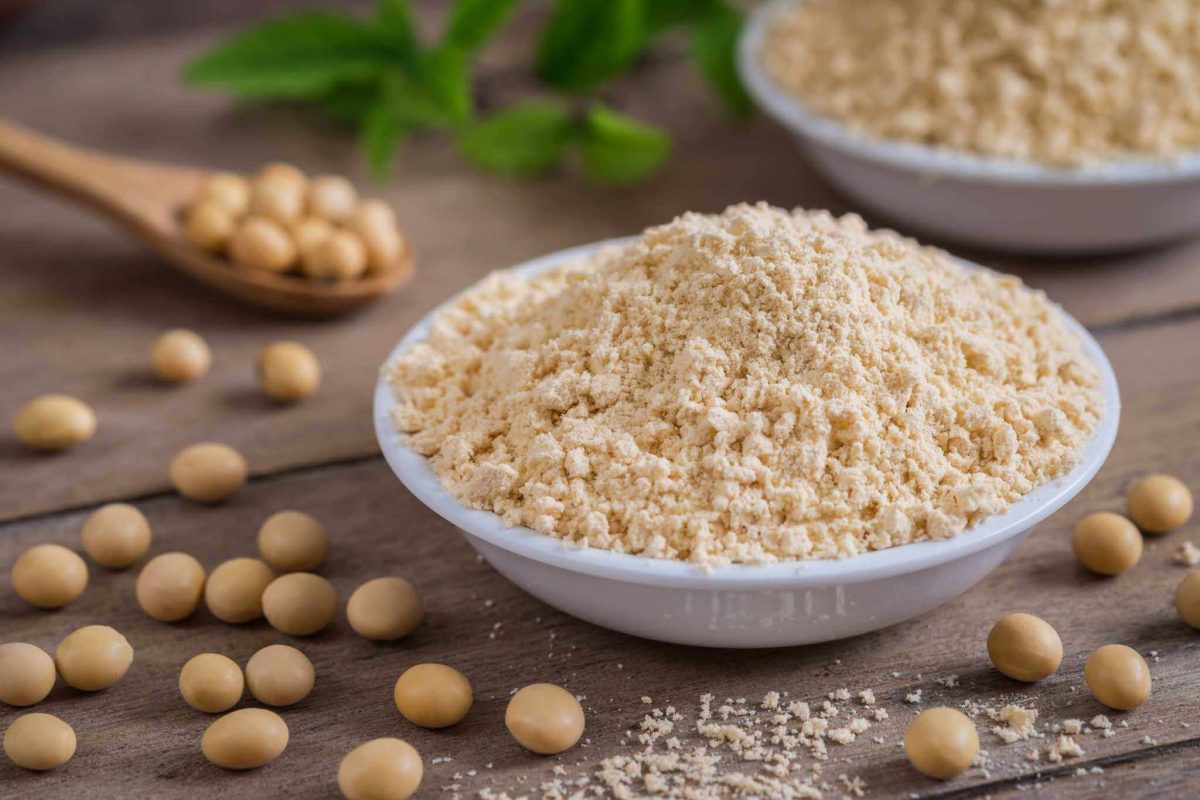
In contrast, processed soy products like soy protein isolates or soy supplements may not offer the same benefits. These products often undergo extensive processing that alters their nutritional composition, potentially diminishing their protective properties. For this reason, health experts recommend focusing on whole soy foods rather than supplements or highly processed alternatives.
Implications for Breast Cancer Patients and Survivors
For individuals diagnosed with breast cancer or those in remission, dietary choices play a critical role in overall health and recovery. Soy, once avoided due to concerns about its estrogen-like effects, is now considered safe for breast cancer patients and survivors when consumed in moderation.
Studies show that moderate soy intake does not increase the risk of cancer recurrence or interfere with hormonal therapies like tamoxifen. In fact, the anti-estrogenic properties of isoflavones may help reduce the activity of more potent natural estrogens, offering additional protective effects.
As always, it is essential for breast cancer patients to consult with their healthcare providers or a registered dietitian to personalize dietary recommendations based on their individual health needs.
Incorporating Soy Into a Balanced Diet
Incorporating soy into a healthy, balanced diet is straightforward and can provide numerous health benefits. Whole soy foods can be included in meals as plant-based protein sources, snacks, or flavor enhancers. Examples include adding tofu to stir-fries, using edamame as a side dish, or incorporating soy milk into smoothies or cereals.
For those who are new to soy, starting with small portions and gradually increasing intake can help ensure tolerance and enjoyment. Aiming for one to two servings of whole soy foods per day is a safe and beneficial guideline for most people.
By making soy a part of a well-rounded diet that includes plenty of fruits, vegetables, whole grains, and lean proteins, individuals can support overall health while reaping the potential benefits of this nutrient-rich food.
Conclusion
The myth that soy increases estrogen levels and causes breast cancer has been debunked by scientific research. Far from being harmful, moderate consumption of whole soy foods offers health benefits and may even play a protective role against breast cancer. By understanding the science and focusing on balanced dietary choices, individuals can confidently incorporate soy into their lives, promoting both wellness and peace of mind.
From Ecomhao
